Receiving money quickly does not solve the problem if paying it out still means delays, disconnected integrations or manual follow-up. For marketplaces, remittance companies and digital platforms, those gaps affect the people and businesses waiting on the other end.
Expanding across Latin America adds another layer. Each market has its own banks, payment rails, settlement conditions and regulatory requirements. An integration that works in one country cannot simply be copied into the next.
Radar is building infrastructure to help businesses manage that complexity. Its approach connects incoming payments and outgoing disbursements within a common operational framework, while adapting the underlying banking connections to local markets.
The focus is on continuity as much as speed. Businesses need to know whether a transaction has been initiated, completed or interrupted. They also need alternatives when a banking connection becomes unavailable, rather than depending on one route and a manual workaround.
Radar‘s infrastructure combines transaction visibility with multiple banking and payment-rail connections. Its website describes intelligent routing and automatic failover between rails, designed to keep payments moving when one route fails.
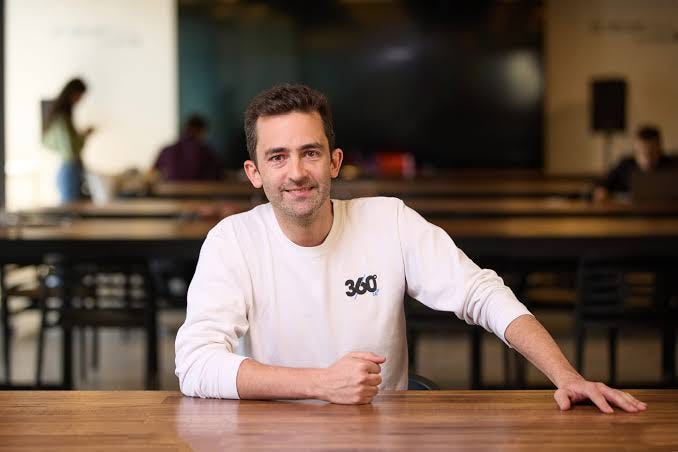
For CEO and founder Herbert Schulz and co-founder and CRO Amanda Jacobson, the question is how to make the entire flow of money work, not just one part of a transaction. That means connecting collections and disbursements, accommodating local systems and treating resilience as a business requirement.
Excited to see the Radar team bringing that focus to the region’s payment operations.