
At the earliest stages of company-building, there usually is not much hard evidence to lean on yet.
No long operating history. No mature metrics. No consensus view from the market. Just a founder, a problem, and the quality of the thinking around what comes next.
That is why standards matter so much in early-stage investing.
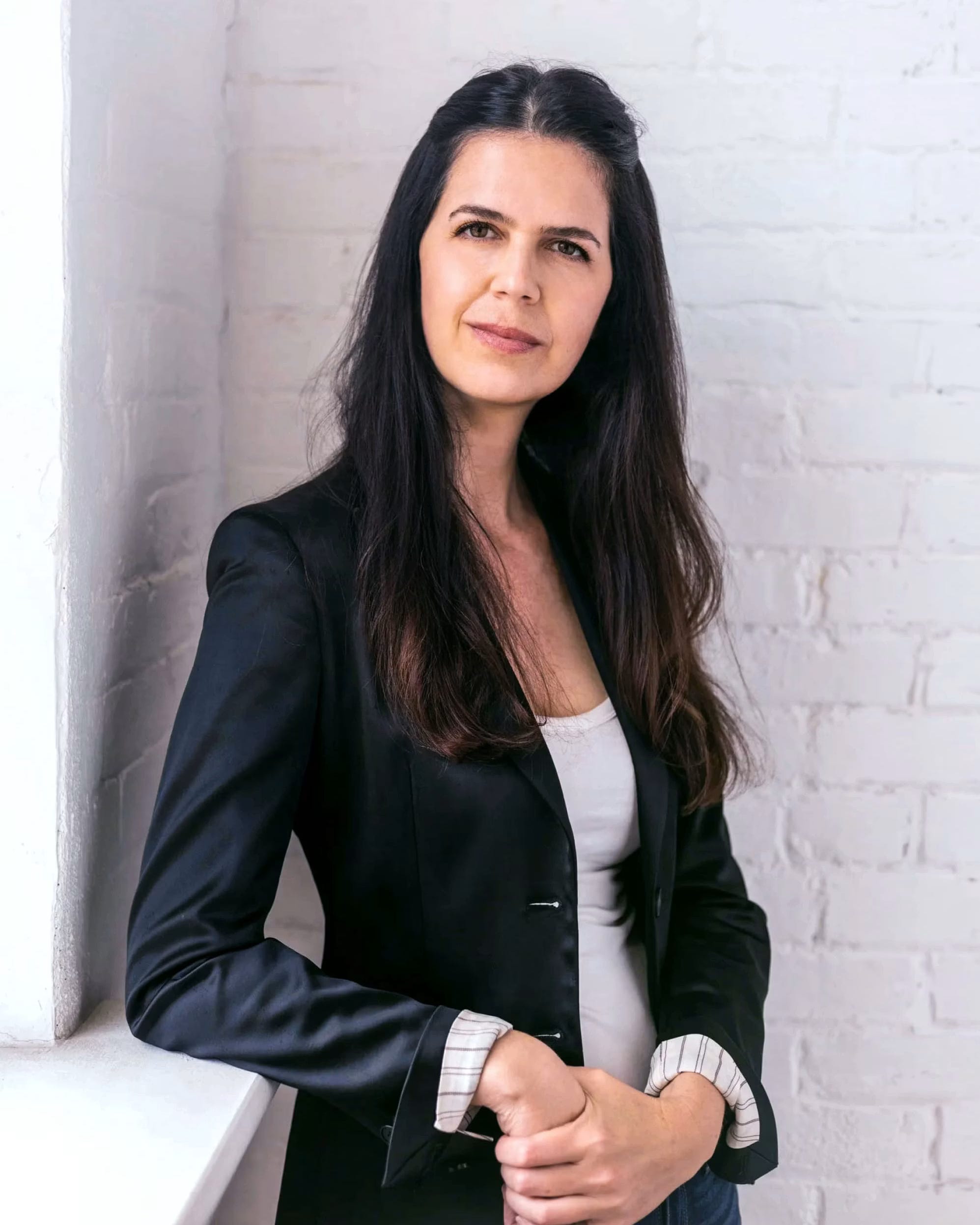
Mercury recently featured Jenny Fielding in its Points of View series, which explores how different people think about standards: where they come from, how they hold up, and what it means to set or challenge them.
For Jenny, the standard she refuses to compromise on is founder-first honesty.
She puts it plainly: she will not tell a founder an idea is great when she does not believe it, and she will not soften a hard truth just to preserve the relationship. That perspective comes from having been a founder herself. At the beginning, clear feedback is not a nicety. It can be the difference between moving with conviction and losing time to false reassurance.
The conversation also gets at what Jenny looks for in founders. The strongest ones do not hide the hard part of the business behind a polished pitch. They lead with what is broken, what they are still working through, and how they are thinking about the problem.
That kind of honesty is a signal. So is judgment.
Jenny talks about protecting a founder’s judgment when everything else cannot be protected, and about the danger of second-guessing someone into paralysis. She also pushes back on venture’s habit of confusing pedigree for quality. Great founders can come from Lagos, Bogota, Tallinn, and everywhere in between.
That is core to the Everywhere mindset: talent is not concentrated in a few familiar places, and pattern matching can become a liability when it starts replacing curiosity.
One of the sharpest lines in the interview is Jenny’s reminder that conviction and correctness are not the same thing. Early-stage investing requires conviction, but the real test comes later, when the story changes and you have to separate what you actually believe from what you want to be true.
It is a concise conversation, but a useful one for founders and investors alike.
Read the full Mercury interview with Jenny Fielding here.
Interested in investing alongside Everywhere Ventures? Learn more about joining our investor community here.